

Top 14 Cocktail Hour Songs for Weddings in 2026
Cocktail hour sets the tone for the rest of a wedding day, but it's also the part couples plan for last, if they plan for it at all. I'm Thatcher Horrocks, a Los Angeles-based wedding singer and guitarist, and cocktail hour is where I get asked the same question at almost every consultation: what songs actually work for this part of the day? Below is the playlist I turn to most often, organized by mood, along with the reasoning I use to build it for each couple.
Quick Answer: The top 14 wedding cocktail hour songs for 2026 mix warm, familiar melodies with a laid-back groove, think Van Morrison, Fleetwood Mac, and John Mayer, arranged acoustically so guests can talk, sip a drink, and ease into the celebration without feeling rushed to the dance floor. A perfect cocktail hour playlist runs 12 to 20 songs across 45 to 60 minutes, blending romantic, upbeat, and relaxed tracks.
Key Takeaways
Cocktail hour typically lasts 45 minutes to an hour and needs roughly 12 to 20 songs, depending on tempo and arrangement length.
The right cocktail hour music sits between background ambiance and something guests actually want to listen to. Acoustic guitar and voice hit that balance better than a DJ playlist or a string quartet.
A strong set blends three moods: romantic ballads, upbeat singalongs, and relaxed folk or soul, so the energy shifts naturally as the hour goes on.
Live acoustic arrangements let a singer read the room and adjust in real time, something a pre-set playlist can't do.
I've played cocktail hour for weddings across Los Angeles and Southern California for years now, everywhere from backyard receptions to resort terraces at places like the Four Seasons Beverly Hills and Terranea Resort. If there's one thing I've learned, it's that cocktail hour has a different job than the reception. It's not the moment for a full band or a dance set. It's the moment where guests reconnect, grab a drink, and settle into the day. The music needs to support that, not compete with it.
What Music Should You Play During a Cocktail Hour?
Cocktail hour music should feel warm and conversational rather than performative. This is where acoustic arrangements shine. A solo guitarist and vocalist can take a song like "Dreams" by Fleetwood Mac or "All of Me" by John Legend and strip it down to something intimate, guitar, voice, maybe a light loop pedal for texture, that fills the space without drowning out conversation.
I generally avoid songs with heavy production or a driving beat during this window. Save "Uptown Funk" for the reception. Cocktail hour calls for songs guests recognize instantly but that don't demand attention, the kind of music that makes people smile without stopping mid-sentence.
How Many Songs Are Played During a Wedding Cocktail Hour?
Cocktail hour usually runs 45 minutes to an hour, so plan for 12 to 20 songs depending on arrangement length and tempo. Acoustic versions often run a bit longer than the studio recordings, since there's more room to stretch a bridge or add an instrumental section, so I usually build a set of 15 to 18 songs and let the room dictate the pacing on the day.
Top 14 Cocktail Hour Songs Pick By Mood
Romantic Acoustic Songs for Wedding Cocktail Hour
These work well early in the hour, while guests are still arriving and finding their seats.
Can't Help Falling in Love – Elvis Presley
All of Me – John Legend
You Are the Best Thing – Ray LaMontagne
Over the Rainbow – Israel Kamakawiwoʻole
I'm Yours – Jason Mraz
Upbeat Cocktail Hour Songs for Weddings
Once guests have a drink in hand, these bring the energy up without pushing things into full dance territory.
Brown Eyed Girl – Van Morrison
You Never Can Tell – Chuck Berry
My Girl – The Temptations
Here Comes the Sun – The Beatles
Free Fallin' – Tom Petty
Relaxed Wedding Cocktail Hour Songs
These round out the set nicely as cocktail hour winds down and guests move toward the reception space.
Stand by Me – Ben E. King
Yellow – Coldplay
Daughters – John Mayer
Dreams – Fleetwood Mac
That's 14 songs across all three moods, close to a full hour of music when played acoustically with a little room to breathe between songs.
Building Your Own Wedding Cocktail Hour Playlist Ideas
When couples ask me to help shape their cocktail hour playlist, I usually suggest starting with three or four songs that mean something to them personally, a song from their first date, something their parents danced to, then filling in around those with familiar acoustic-friendly favorites. It keeps the hour personal instead of generic, and it gives me natural cues for which songs to lean into if the crowd is responding well.
If you're not sure where to start, my full song repertoire is a good place to browse. It's organized by genre, so you can pull ideas across classic rock, soul, folk, and modern pop and I'll build the cocktail hour set around whatever fits your day.
Why Live Acoustic Music Beats a Playlist for Cocktail Hour
A Spotify playlist can't read the room. If conversation is picking up and the energy needs a lift, a live musician can shift the next song, extend an instrumental break, or bring the volume down without anyone noticing the transition. That kind of responsiveness is the real value of hiring a live acoustic act instead of running a speaker off a phone. As a singer-guitarist based in Los Angeles, I build every cocktail hour set around the couple's taste and adjust it live based on how the crowd is actually feeling that day.
Did You Know? According to a survey highlighted by The Knot, live musicians remain one of the top entertainment choices couples request for their cocktail hour and reception, with many citing atmosphere and guest engagement as the deciding factor over recorded music. Source: The Knot
Frequently Asked Questions
What songs are good for a wedding cocktail hour?
Songs with a warm, familiar melody and a relaxed tempo work best, think Van Morrison, Fleetwood Mac, Ben E. King, and John Legend. Acoustic arrangements of these tracks let guests talk comfortably while still enjoying the music.
What kind of music is used for cocktail hour?
Most couples choose acoustic guitar and vocals, jazz standards, or light instrumental covers. Acoustic sets tend to work best because they're flexible enough to suit both indoor and outdoor venues without overpowering conversation.
How many songs are played during a wedding cocktail hour?
Plan for roughly 12 to 20 songs to fill a standard 45 to 60 minute cocktail hour, depending on how long each arrangement runs.
Can I request specific songs for my cocktail hour playlist?
Yes, and I'd encourage it. Sending over three or four meaningful songs ahead of time helps shape a set that feels personal rather than generic.
Should cocktail hour music match the ceremony or reception music?
It doesn't need to match exactly, but it should bridge the two. Cocktail hour is usually a little more relaxed than the ceremony and less high-energy than the reception dance set.
Is acoustic music appropriate for an outdoor wedding cocktail hour?
Absolutely. Acoustic guitar and vocals travel well outdoors and adapt easily to garden, rooftop, and beachside settings without needing a full sound system.
Final Thoughts
The best cocktail hour playlists aren't just a list of popular songs, they're built around pacing, venue, and the couple's own story. That's the part a pre-made Spotify list can't replicate, and it's the reason I treat every cocktail hour set as its own small performance rather than background noise. Whether you send me three songs or thirty, I'll shape the hour around what actually fits your wedding.
Looking for someone to build this playlist live for your wedding day? You can hire a wedding cocktail hour singer in Los Angeles, CA for solo, duo, or trio performances across Los Angeles and Southern California with Thatcher Horrocks Entertainment.
25 Corporate Event Entertainment Ideas That Employees Actually Enjoy
Quick Answer
The corporate event entertainment employees respond to best mixes live, interactive, and participatory formats over passive ones. Live music during arrival and dinner, interactive acts like caricature artists or trivia hosts, and hands-on activities such as photo booths or mixology stations consistently perform well because they encourage guests to participate rather than simply watch.
Employees can tell the difference between entertainment that was chosen to check a box and entertainment that was chosen because someone thought about what the room would actually enjoy. The ideas below are organized by category so it is easier to match one to the event you are actually planning, whether that is a holiday party, a client dinner, or a smaller team celebration.
Key Takeaways
Interactive and participatory entertainment tends to outperform passive entertainment for employee engagement.
Live music adapts to almost any budget, from a single acoustic performer to a full band.
Pairing two lower-cost ideas, such as a photo booth and a strolling musician, often creates more engagement than one expensive centerpiece act.
Match the idea's energy level to the event's purpose. A client dinner and a holiday party call for very different entertainment.
Ideas that give guests a shared activity, like a mixology class or team trivia, tend to get remembered longer than a passive performance.
Best 6 Live Music Ideas
1. Acoustic singer-guitarist for cocktail hour
A solo performer covering familiar songs at a conversational volume sets the tone as guests arrive without demanding their full attention.
2. Full live band for the main event
For holiday parties and larger celebrations, a full band brings the dance-floor energy that a solo act or DJ playlist often cannot match.
3. Strolling musician who moves through the crowd
A performer who moves between tables during dinner or a reception creates a personal moment for smaller groups instead of one performance the whole room watches at once.
4. Genre-themed set tied to a party theme
A decades-themed set, such as an eighties or nineties night, gives the entertainment a hook that ties into invitations, decor, and even a dress code.
5. Live music with a request system
Letting employees submit song requests ahead of time, then working them into the set, turns a passive listening experience into something guests feel ownership over.
6. A flexible duo that shifts from background to dance-floor energy
One act that quietly supports dinner conversation, then ramps up once formal portions of the event end, often works better and costs less than booking two separate performers.
See our live music for corporate events page and cocktail hour music page for how these formats work in practice.
Interactive Entertainment Ideas
7. Caricature artist
A quick, personalized sketch gives employees a take-home keepsake and a natural conversation starter while they wait.
8. Photo booth with branded props
A simple, reliable way to get people interacting in small groups, especially effective when tied to the event's theme or company branding.
9. Trivia host tied to company history or industry facts
Custom trivia questions about the company or industry make the activity feel specific to the group instead of generic party filler.
10. Live painter capturing the event
An artist working on a large canvas throughout the event creates a visual centerpiece and a keepsake the company can display afterward.
11. Magician doing close-up table magic
Table-side magic works well for seated dinners, giving small groups a shared moment of surprise between courses.
12. Mentalist or improv performer for larger stages
For bigger conferences or all-hands events, a stage act built around audience participation keeps a large room engaged in a way a passive speaker cannot.
13. Silent disco for late-night segments
A silent disco lets the party continue past a venue's noise curfew and lets guests choose their own channel, which works well for mixed-age crowds.
Hands-On and Team Activities
14. Mixology or cocktail-making class
A guided cocktail class gives employees a shared, hands-on activity that doubles as an icebreaker between people who do not normally work together.
15. Wine or coffee tasting station
A tasting station works well for daytime events or client-facing gatherings where a full bar activity would feel out of place.
16. Casino night tables
Card and dice tables with play money create a low-pressure competitive activity that naturally mixes people from different departments.
17. Team trivia or game show format
A structured, team-based competition works especially well for company-wide events where people want an excuse to sit with coworkers outside their usual team.
18. Charity-focused build-a-kit activity
Assembling care packages or donation kits as a group activity gives the event a purpose beyond the party itself, which many employees respond well to.
19. Lawn games for outdoor and picnic-style events
Simple games like cornhole or giant Jenga are inexpensive, require no booking lead time, and work well alongside live background music.
Food and Drink Experiences
20. Chef's table or live cooking demo
Watching a dish prepared live adds a sensory, memorable element to a dinner that a standard buffet does not.
21. Dessert bar with a live pastry chef
A made-to-order dessert station gives guests something to do at the end of the night and extends the social portion of the event.
22. Themed food truck lineup
For casual outdoor events, a lineup of food trucks doubles as both catering and entertainment, giving guests something to walk around and choose between.
Low-Lift, High-Impact Ideas
23. Curated playlist with a live saxophonist overlay
Layering a live saxophonist over a curated playlist is a lower-cost way to add a live element to an event without booking a full band.
24. Speed networking with a live music backdrop
Structured speed networking rounds, paired with quiet background music, work well for conference-style events focused on making connections.
25. A dedicated quiet lounge with soft acoustic music
A side space with softer live music gives guests who need a break from the main room somewhere to sit and talk without shouting over a loud act.
How to Pick the Right Idea for Your Event
Start with the format, not the idea. Decide whether the event needs background support, a main-stage moment, or a hands-on activity, then choose from the matching category above. Our complete guide to corporate entertainment and live music for events goes deeper into matching format to event type.
Did You Know?
Gallup's ongoing workplace research has consistently found a strong relationship between employee engagement and business outcomes including productivity, profitability, and sales (Gallup, State of the Global Workplace). A well-planned company event is one of the few times in the year employees experience that engagement outside of their normal daily work.
Frequently Asked Questions
What is the most popular corporate event entertainment idea?
Live music remains one of the most consistently well-received options because it works for almost any format, from quiet background music during a client dinner to a full band at a holiday party.
What entertainment works for a small team event?
For smaller groups, interactive ideas like a trivia host, a caricature artist, or a mixology class tend to work better than a large stage act, since the goal is participation rather than a performance.
How many entertainment ideas should I combine at one event?
Most events work well with one main format, such as live music, paired with one or two lower-cost additions like a photo booth or lawn games, rather than stacking many unrelated activities.
Is live music better than a DJ for a corporate event?
It depends on the event. Live music tends to feel more personal and adapts more naturally to a room's energy, while a DJ can offer a wider range of recorded tracks. Many corporate events use a hybrid of both.
What entertainment ideas work for a daytime corporate event?
Wine or coffee tasting stations, live acoustic music, and interactive activities like trivia work well for daytime events where a full band or late-night format would feel out of place.
How do I budget for multiple entertainment ideas?
Set a total entertainment budget first, then decide whether to put most of it toward one strong centerpiece, such as a live band, or split it between two smaller additions like background music and a photo booth.
Final Words
The best corporate event entertainment ideas are the ones that match your specific audience and event format, not whatever was trending last year. Browse our repertoire to see the range of styles available, or get in touch to talk through which of these ideas fits your next event.
How to Plan Corporate Event Entertainment That Keeps Guests Engaged
Quick Answer:
Planning corporate event entertainment that keeps guests engaged comes down to five things: knowing your audience, setting a realistic entertainment budget early, choosing a format that matches the event's purpose, booking talent with real corporate event experience, and building a run of show that paces entertainment around speeches and activities instead of competing with them.
Most corporate events do not fail because the entertainment was bad. They fail because the entertainment was chosen last, after the venue, the catering, and the agenda were already locked in, and it got squeezed into whatever budget and time were left over. Guests can tell. A generic playlist or a band that has never worked a corporate room before will not ruin your event, but it will not lift it either, and lifting the room is the entire point of hiring entertainment in the first place.
Planning corporate event entertainment that actually keeps people engaged is less about finding a talented performer and more about matching the right format to the right moment in your event, briefing that performer properly, and giving them the conditions to do their job well. This guide walks through how to do that, from setting a budget to building a run of show, based on what actually works in rooms full of executives, clients, and coworkers who did not come to be a captive audience.
Key Takeaways
Choose the entertainment format based on the event's purpose first, not the venue or the trend.
Set the entertainment budget early in planning, not with whatever is left after venue and catering.
Corporate audiences respond differently than wedding or private party crowds, so ask about corporate-specific experience.
Share your run of show with the performer in advance so music builds and lowers around speeches instead of clashing with them.
Vet entertainment vendors on insurance, references, and equipment self-sufficiency, the same way you would vet a caterer or AV company.
The most common engagement killer is booking on price alone without checking corporate event experience.
Start With the Purpose of the Event, Not the Entertainment
Before looking at a single performer's demo reel, get clear on what the event is actually for. A client appreciation dinner, a product launch, and a holiday party all call for different energy, and entertainment that is right for one can feel completely wrong for another. A quiet jazz trio that suits a cocktail reception will feel flat at a high-energy holiday party, and a loud cover band that works at a holiday party can drown out conversation at a networking dinner where the whole point is letting people talk business.
Write down, before booking anything, what you want guests doing during the event, whether that is talking, mingling, dancing, or simply listening, and what feeling you want them to leave with. That answer decides the entertainment format more than the budget does.
Know the Audience Before Booking Anything
A room of engineers at a company conference, executives at a black-tie gala, and a mixed group of employees and their families at a summer picnic respond to very different things. Age range, industry culture, and whether spouses or clients are attending all change what engaging actually looks like. Ask any entertainment provider about their repertoire flexibility, since a performer who can read the room and shift from background jazz standards to more upbeat, familiar songs as the night goes on will keep more people engaged than one working through a fixed set list regardless of who is in the room.
Set a Realistic Entertainment Budget Early
Entertainment usually gets whatever is left in the budget after venue and catering, which is backwards, since it is often the single biggest driver of how guests remember the event. Pricing varies by format and market. For a private or corporate performer in a market like Los Angeles, solo acoustic sets typically start in the range of a few hundred dollars and scale up with set length, group size, and travel. Our guide to hiring a musician for corporate events breaks down what actually drives that cost. Set the number early and treat it as one of the top three line items in the event budget, not an afterthought.
Choose the Right Entertainment Format for the Event Type
Background and Ambient Music
Right for cocktail hours, client dinners, and any moment where the goal is easy conversation rather than a captive audience. A solo guitarist and vocalist or a small acoustic duo covers this well without overpowering the room. See our cocktail hour music services for how this typically works at a live event.
Live Band or Solo Performer as the Main Act
Right for holiday parties, milestone celebrations, and any event where the goal is people up and engaged rather than seated and listening politely. Our live music for corporate events services covers formats from acoustic duo to full band for this kind of main-stage role.
Interactive Entertainment
Trivia hosts, live caricature artists, and musicians who take requests work well for team building events and smaller gatherings where participation matters more than polish.
Hybrid Formats
Many corporate events actually need two formats in one night: quiet background music during arrival and dinner, then a shift to something more energetic once speeches wrap. Ask a prospective performer whether they can flex between the two, since booking one performer who can do both is often more cost-effective than booking two separate acts.
Vet Entertainment Like Any Other Vendor
Corporate event entertainment is a vendor relationship, and it deserves the same due diligence as a caterer or AV company. Before booking, check the following.
Liability insurance, since most corporate venues require a minimum coverage amount before a performer can load in.
Direct experience with corporate audiences specifically, not only weddings, since the energy and etiquette are different.
Reviews or references from other event planners or corporate clients.
Whether the performer brings their own sound equipment or needs the venue's system, which affects the AV budget.
A clear cancellation and backup policy in case of illness or an equipment issue.
Build the Run of Show Around the Entertainment, Not Against It
The most common planning mistake is treating entertainment as background noise that runs independently of the agenda. Share the run of show with the performer in advance, including when speeches happen, when the meal is served, and when energy should build. A good performer lowers their volume and simplifies their set during a speech and builds back up once it ends, but only if they know it is coming.
Common Mistakes That Kill Engagement at Corporate Events
Booking based on price alone without checking corporate event experience.
Ignoring the venue's sound and volume restrictions, which some venues enforce strictly.
Not briefing the performer on the schedule, leading to music competing with speeches.
Playing at full volume during networking portions, when guests need to hear each other talk.
No backup plan for equipment failure or performer illness.
Did You Know?
In a national survey of U.S. office workers by staffing firm Robert Half, 78 percent of employees whose companies organize workplace celebrations said the events improve their on-the-job morale (Robert Half survey). The format of the celebration matters less than the fact that the company invested in bringing people together.
When to Book Corporate Event Entertainment
| Event Size | Recommended Lead Time | Notes |
|---|---|---|
| Large Gala or 200+ Guests | 3 to 6 Months | Book earlier for November and December, the busiest season for corporate entertainment. |
| Standard Company Event (50–200 Guests) | 6 to 8 Weeks | Allows enough time to confirm the event format, finalize the run of show, and coordinate audiovisual (AV) requirements with the venue. |
| Small Team Event (Under 50 Guests) | 2 to 4 Weeks | Weekend dates during peak season book quickly, so reserving early is still recommended. |
Frequently Asked Questions
How far in advance should I book corporate event entertainment?
For larger events or peak season dates in November and December, book 3 to 6 months out. For a standard company event, 6 to 8 weeks is usually enough.
How much does corporate event entertainment cost?
Cost depends on format, set length, and group size. Solo acoustic performers typically start lower than a full band, and pricing scales up with travel, additional musicians, and longer sets.
What type of entertainment works best for a networking event?
Background or ambient live music, such as a solo guitarist or small acoustic duo, works best for networking events, since the goal is easy conversation rather than a performance guests have to watch.
Should the entertainment take requests during a corporate event?
For interactive formats like a strolling musician or a band during the party portion, yes. For background music during dinner or speeches, a curated set usually works better than open requests.
Do I need to provide sound equipment for the performer?
Most professional performers bring their own sound equipment for solo and small group formats. Confirm this during booking, since venues vary in what AV they provide.
What is the difference between background music and a main act?
Background music supports conversation and stays low in the mix, typically during arrival, cocktail hour, or dinner. A main act is the focal point of a portion of the event, such as a live band during a holiday party's dance segment.
Can one performer handle both cocktail hour and the main event?
Yes, many performers offer flexible formats that shift from quiet background music during cocktail hour to a more energetic set once the formal portion of the event ends.
Final Words
Corporate event entertainment works best when it is planned alongside the agenda, not bolted onto it. Get clear on the event's purpose, know the audience, set the budget early, and brief whoever you book on the run of the show. Contact Thatcher Horrocks to talk through the right format for your next corporate event.
How to Hire a Musician for a Corporate Events
Quick Answer
To hire a musician for a corporate event: define what role music will play, set a realistic budget ($700-$1,500+ for a professional solo performer in California), choose the right format (a singer guitarist suits most corporate settings), vet candidates through live event footage and specific client reviews, confirm insurance and coordination experience, and finalise everything in a written contract.
Key Takeaways:
Define whether you need background ambiance, transitional energy, or centerpiece entertainment before searching
Industry standard allocates 20-30% of a corporate event budget to entertainment
A solo singer guitarist is the most flexible, professionally appropriate option for most corporate formats
Always request live event footage, not studio recordings
Liability insurance is non-negotiable for professional corporate venues in California
Book 3-6 months ahead for high-demand California dates
A written contract is the baseline requirement of any professional booking
Why Getting This Right Matters
Live entertainment is one of the most memorable aspects of any corporate event, and one of the easiest to get wrong. A performer who is technically skilled but professionally underprepared can disrupt event flow, create friction with venue staff, and leave a lasting impression you did not intend. This guide covers the full process, from defining what you need to signing a contract with the right person.
Did You Know? According to Bizzabo's 2026 State of Events research, 78% of in-person event organisers say corporate events are their organisation's single most impactful marketing channel. (Source: Bizzabo) The atmosphere you create at these events, including the music, is a direct reflection of your brand.
Step 1: Define What the Music Needs to Do
Most booking mistakes begin here. Be explicit about the function before you search.
Background ambiance suits cocktail receptions, networking mixers, client appreciation dinners, and executive meals. Music should enhance conversation without competing with it. Volume control and consistency are the priorities.
Transitional energy works for conferences, award ceremonies, and product launches where music fills space between program segments and cues mood shifts.
Centerpiece entertainment is right for holiday parties and milestone celebrations where the performance itself is a focal point rather than a backdrop.
Knowing which you need shapes every decision that follows: performer format, set length, volume, and guest interaction level.
Step 2: Set a Realistic Budget
Professional solo performers for corporate events in California typically range from $700 to $2,000 or more. Corporate event music at Thatcher Horrocks Entertainment starts at $995, covering professional equipment, insurance, and full event coordination.
Industry guidance recommends allocating 20-30% of your total event budget to entertainment for corporate mixer formats, and 15-20% for client entertainment events prioritising dining. (Source: SPIN) Account for the performance fee, travel if the venue is outside the performer's base, overtime if the event runs long, and a 10-15% buffer.
Step 3: Choose the Right Format
Solo singer guitarist is the most versatile corporate choice. Minimal setup, maximum flexibility. Works for cocktail receptions, executive dinners, networking mixers, and brand activations where music should feel elevated without dominating the space.
Acoustic duo adds vocal harmony and fuller sound. Good when you want slightly more presence than a solo act without a full ensemble.
Jazz trio or quartet suits formal galas, black-tie dinners, and high-end client events where classic sophistication is the explicit tone.
Full band works for large company celebrations and holiday parties where dancing and high energy are the primary goal.
For most corporate events short of a company-wide party, a solo singer guitarist delivers the best balance of professionalism, production simplicity, and guest experience.
Step 4: Find the Right Performer
Venue coordinator and event planner referrals are the highest-quality source. These professionals have seen how performers actually behave on event day, not just in pitch videos.
Direct Google searches such as "corporate event musician Los Angeles" surface performers who have intentionally positioned themselves for this market, which itself signals professional focus.
GigSalad and Thumbtack allow comparison of multiple performers, client reviews, and quote requests. Read the actual review text, not just star counts.
YouTube and Instagram give unfiltered access to live performance quality. Prioritise performers with real event footage rather than rehearsal or studio content.
Step 5: Evaluate Performers Rigorously
Watch live event video from events similar to yours. Studio recordings are controlled. Events are not. Does the performance hold up in a real room with ambient noise and an actual audience?
Read reviews for specific language. Strong corporate performer reviews mention punctuality, professional attire, adaptability, and seamless coordination with event staff. Specifics matter far more than star ratings.
Confirm equipment ownership. A professional brings their own PA system, microphones, and battery backup for outdoor settings. Reliance on venue infrastructure is a red flag at the corporate level.
Verify insurance. Many corporate venues require general liability coverage as a condition of performance. A professional provides a certificate of insurance immediately on request.
You can review the About page and the FAQ for examples of how a professional performer presents credentials and handles pre-booking questions.
Step 6: Ask These Questions Before You Book
A seasoned professional answers every one of these immediately and specifically:
Have you performed at corporate events similar to mine in format and scale?
What are your setup and teardown time and space requirements?
Do you carry general liability insurance, and can you provide a certificate if required?
Can we review and customise the set list in advance?
What is your backup plan for a technical issue during the performance?
What attire will you wear, and can it align with our event dress code?
What is your policy if you cannot perform due to illness or emergency?
Vague answers to any of these are a warning sign worth taking seriously before you hand over a deposit.
Step 7: Get Everything in a Written Contract
The contract should cover: event date, time, and venue; performance duration; total fee and payment schedule; what the fee includes; overtime rate; cancellation terms; and contingency if the performer cannot appear. No contract means no professional booking. Its absence is the clearest signal to move on.
What Separates a Memorable Performance from a Forgettable One
Beyond credentials, the quality that defines the best corporate musicians is the ability to read and respond to a room in real time. A great performer coordinates quietly with your team before the event, adjusts volume and tempo as the crowd shifts, and makes the music feel like it belongs in the space rather than being imposed on it. That is what event planners mean when they describe a performer as having elevated the event.
For private social events, the same principles apply. See the private event musician page for format-specific guidance.
Frequently Asked Questions
What type of musician is best for a corporate cocktail reception?
A solo singer guitarist. The format is professional, requires a minimal footprint, and creates an elevated atmosphere without overpowering conversation. It is the format most commonly specified by event planners at luxury corporate functions.
How much does a corporate event musician cost in Los Angeles?
Professional solo performers typically quote $700 to $1,500 for a standard corporate event. Performers with established corporate and luxury venue history tend to sit at $995 and above. Always request an itemised quote.
How far in advance should I book?
Three to six months for peak season dates. Popular Los Angeles performers fill weekends quickly. For weekday or off-peak events, four to eight weeks may work, but earlier eliminates all risk.
Do corporate event musicians require a deposit?
Yes. A deposit of 25-50% of the total fee is standard practice to hold your date. Understand the refund policy before paying.
Can the performer accommodate guest requests?
Most professional performers handle reasonable requests within their repertoire. Check the full repertoire in advance and raise specific requests during the initial conversation.
Should I hire through an agency or directly?
Both work. Agencies add a booking fee. Direct booking offers more transparent communication and easier negotiation. For most corporate events with a strong referral, direct is the preferred route.
Can live music be scheduled around speeches or presentations?
Yes. A professional performer coordinates around your run of show and pauses during formal program segments. Provide a clear event timeline in the pre-event briefing.
What if the venue has no dedicated performance space?
Professional performers set up in a defined footprint almost anywhere in a venue. Confirm space dimensions and power access in advance. A seasoned performer raises these requirements proactively.
How Much Does It Cost to Hire a Singer Guitarist in California?
Hiring a professional singer guitarist in California typically costs approx $700 to $1,500 for a standard 2-3 hour performance. Premium performers with verified corporate and luxury venue credits charge $995 and above. Entry-level performers start around $300, though quality varies significantly at that tier.
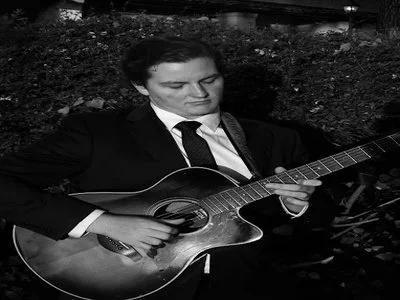
Key Takeaways
California singer guitarist rates range from $300 (entry-level) to $1,500+ (premium professional)
Mid-range professionals ($700-$1,200) offer the strongest value for most private and corporate events
Price is shaped by experience, duration, location, equipment ownership, and event type
Always confirm what is included: sound system, travel radius, coordination, and insurance
For peak season dates, book 3-6 months in advance to secure a quality performer
Why Pricing Is Rarely Transparent
Most performers do not publish rates publicly because every event is different. Duration, location, setup complexity, and seasonal demand all shift the number. This guide gives you the real ranges, what drives them, and exactly what to ask before signing anything.
Did You Know? Research shows that events and venues featuring live music experience a 36% rise in patronage and a 33% increase in sales during performances, compared to those without live entertainment. (Source: Gigmit Industry Report) That data gives a clear picture of why live music is worth the investment, not just as entertainment but as an atmosphere driver that changes guest behaviour.
The Three Pricing Tiers
Tier 1: Entry-Level ($300-$600)
These are newer artists, students, or part-time musicians building their event portfolio. Some are genuinely talented. Others lack professional-grade equipment, experience managing event logistics, or the composure to adapt when something goes wrong on the day. Best reserved for very casual gatherings where the stakes are low and a last-minute pivot is manageable.
Tier 2: Mid-Range Professionals ($700-$1,200)
Working musicians with several years of dedicated event experience. They bring their own quality equipment, communicate professionally before and on the day, arrive early for sound check, and can read a room and adjust accordingly. For most private parties, cocktail hours, and corporate mixers, this tier delivers excellent value and reliability.
Tier 3: Premium Performers ($1,500+)
Performers with verifiable track records at corporate clients, luxury hotels, and high-profile branded events. They carry liability insurance, coordinate with venue staff proactively, and have a depth of experience that means nothing surprises them on event day. When your event has zero margin for error, this is where to invest.
For reference, live music for corporate events at Thatcher Horrocks Entertainment starts at $995, covering professional-grade equipment, general liability insurance, full event coordination, and five-plus years performing for brands, executives, and luxury properties including the Four Seasons Beverly Hills.
6 Factors That Move the Price
1. Experience and verifiable credits. A performer with documented corporate client history, luxury venue appearances, or media credits charges more. That premium reflects accountability and proven reliability, not just musical skill.
2. Performance duration. Standard quotes cover 2-3 hours. Extensions typically run $150-$300 per additional hour. Confirm this in writing before the event, not after.
3. Location and travel. California spans over 800 miles. Out-of-area bookings and destination events with overnight stays will have travel costs factored into the proposal. Always confirm what radius is included before assuming.
4. Equipment. A professional brings their own PA system, microphones, and battery backup for outdoor or remote settings. Budget performers may require you to source sound equipment separately, quietly adding $200-$500 to your total.
5. Event type and coordination demands. Corporate events, product launches, and brand activations involve insurance documentation, pre-event briefings with planners, and structured run-of-show coordination. Performers experienced in these environments price that service accordingly.
6. Day of week and season. Saturday evenings from April through October and the holiday season carry the highest rates. Weekday events and off-peak months often allow for more negotiation.
What a Professional Quote Should Include
A reputable performer's proposal should clearly cover:
Performance duration and set structure
Travel within a defined radius (commonly 30-60 miles from the performer's base)
Full sound system, professional microphones, and backup power solutions
Liaison and coordination with your venue and event planner
General liability insurance documentation upon request
Pre-event set list consultation or custom song discussion
Cancellation, rescheduling, and deposit refund policy
If any of these are missing, ask directly. Surprises on event day almost always trace back to unasked questions during the booking conversation.
Singer Guitarist vs. DJ: The Honest Comparison
A DJ typically costs less per hour and works better for high-energy dance formats and large crowds needing continuous volume across multiple genres. A singer guitarist creates something a playlist simply cannot: a live performance that breathes, responds, and adapts to the room in real time.
Acoustic live music is especially effective for cocktail hours, wedding ceremonies, corporate dinners, and any setting where conversation, atmosphere, and connection matter alongside entertainment. Many clients book both: a live acoustic performer for the first two hours and a DJ for the later reception, covering both needs without compromise.
How to Evaluate a Performer Before Booking
Watch live event footage, not studio recordings. A controlled studio setting tells you about vocal ability. A real event tells you about professionalism, presence, and sound quality under real conditions.
Read reviews for specific detail. Look for mentions of punctuality, professional communication, attire, adaptability, and whether the performer delivered exactly what was promised. Specific language from real clients outweighs generic praise every time.
Review the song list. If your guests span a 30-year age range, you need a performer who moves between genres and decades naturally. Check the full repertoire before committing and ask directly about any gaps.
Ask about coordination experience. Do they work with venue coordinators? Have they handled events of your size and format before? A seasoned professional answers immediately with specifics, not generalities.
For more on what professional preparation and event experience looks like in practice, the About page and FAQ offer useful context.
A Useful Budget Benchmark for Corporate Events
Industry guidance recommends allocating 20-30% of your total corporate event budget to entertainment and activities for networking and mixer formats, and 15-20% for client entertainment events prioritising dining. (Source: SPIN Corporate Event Budgeting Guide) Using that framework helps you anchor live music spend relative to your other event line items.
Frequently Asked Questions
How much does a singer guitarist cost for a wedding in California?
Expect $700 to $1,500 for a professional performer covering a 2-3 hour set. Whether you are booking for the ceremony only, the cocktail hour, or both affects the total. Clarify which portions of your event require live music before requesting a quote.
Do singer guitarists charge travel fees?
Yes. Most include a standard radius (typically 30-60 miles from their base) and charge separately for distances beyond that. Destination events requiring overnight stays are quoted as a distinct line item.
How far in advance should I book a singer guitarist in California?
For peak season weekends (April through October and the holiday season), three to six months ahead is the right target. Quality performers in Los Angeles fill Saturdays quickly. For weekday or off-peak events, four to eight weeks may work, though earlier eliminates the risk.
Can I request specific songs?
Most professional performers welcome custom requests and will learn one or two songs of personal significance with adequate advance notice. Raise this during the initial inquiry, not the week before your event.
Is a deposit required to secure a booking?
Yes, and that is standard and appropriate. A deposit of 25-50% of the total fee is normal practice. No deposit request is a warning sign, not a bargain.
What attire does a singer guitarist wear to events?
Professional performers dress to match the occasion. Confirm attire expectations during the booking conversation, especially for black-tie, branded corporate, or themed events.
What happens if the performer cancels?
Ask this before you sign. Professionals either maintain a network of qualified substitutes or have an explicit cancellation policy. Understand what happens to your deposit in either scenario.
Should I always ask for a contract?
Without exception. A written contract is non-negotiable with any professional performer. It protects you from scope changes, last-minute disputes, and unexpected fees. Its absence is a clear signal to move on.

Complete Guide to Corporate Entertainment, Wedding Musicians, and Live Music for Events
Live music has become one of the most powerful ways to elevate events of all kinds. Whether you are planning a wedding, a corporate gathering, or a private celebration, the right live performance can completely transform the atmosphere. It turns a standard event into an experience people remember for years.
This guide will walk you through everything you need to know about hiring live music, including how to choose a soloist musician, what to expect from a musician for wedding reception, and how live music for corporate events can enhance your brand experience. You will also learn how to plan ceremony music for weddings, cocktail hour music, and how to hire a private event musician for hire that fits your vision.
Why Live Music Matters for Events and Weddings
Live music brings energy, emotion, and connection that recorded playlists simply cannot match. A skilled performer reads the room, adjusts to the crowd, and creates a customized atmosphere in real time.
For weddings and corporate events, live music also adds a sense of sophistication and intention. It signals to guests that the experience has been carefully curated. From soft acoustic ceremony music for weddings to upbeat cocktail hour music, live performance shapes how people feel throughout the event.
What Is a Soloist Musician and Why Choose One
A soloist musician is a professional performer who delivers live music using one instrument, often guitar or piano, combined with vocals. This setup is one of the most versatile and popular choices for modern events.
Hiring a soloist musician is ideal for:
Intimate weddings
Cocktail receptions
Corporate networking events
Private dinner parties
Luxury brand activations
A solo performer is easier to accommodate logistically while still providing a full, rich sound. For many clients searching for a musician for wedding reception or ceremony music for weddings, a soloist musician offers the perfect balance of elegance and simplicity.
Because they are adaptable, a soloist musician can seamlessly move between soft background music and more engaging performance sets depending on the energy of the room.
Choosing a Musician for Wedding Reception
Your wedding reception is where celebration truly begins. Choosing the right musician for wedding reception is one of the most important entertainment decisions you will make.
A professional wedding reception musician should be able to:
Build energy gradually throughout the evening
Read the crowd and adjust the setlist
Perform a mix of genres that appeal to all generations
Transition smoothly between key moments like dinner, speeches, and dancing
When hiring a musician for wedding reception, consider the flow of your event. The best performances are not just about songs but about timing. For example, soft acoustic music during dinner can shift into more upbeat tracks once dancing begins.
A skilled soloist musician can often cover all of these transitions without needing a full band setup.
Live Music for Wedding Ceremony
The ceremony is the emotional heart of your wedding day. Live music for wedding ceremony adds depth and meaning to every moment, from the processional to the recessional.
Popular choices for ceremony music for weddings include:
Acoustic instrumental versions of meaningful songs
Soft romantic ballads performed live
Fingerstyle guitar arrangements
Custom song requests for aisle moments
A professional performer can tailor the music to match your exact timeline. Whether you want a traditional entrance or a modern romantic feel, live music ensures every step feels intentional and personal.
Live music for wedding ceremony also enhances photography and video, capturing emotion in real time rather than relying on pre recorded tracks.
Cocktail Hour Music That Sets the Tone
Cocktail hour music plays a crucial role in bridging the ceremony and reception. This is where guests relax, socialize, and begin celebrating.
The right cocktail hour music should feel:
Light and welcoming
Stylish but not overwhelming
Familiar enough to enjoy but subtle enough for conversation
A soloist musician is often the perfect fit for this portion of the event. Acoustic covers of popular songs, jazz inspired arrangements, and soft indie tracks work especially well.
When planning cocktail hour music, think about the atmosphere you want. Do you want a relaxed coastal vibe, an upbeat social energy, or a sophisticated lounge feel? A professional performer can shape the setlist to match your vision.
Live Music for Corporate Events
Corporate entertainment is no longer just background noise. Today, companies use live music for corporate events as a strategic way to impress clients, engage employees, and elevate brand identity.
Whether it is a product launch, holiday party, gala, or networking event, live music for corporate events creates a polished and memorable experience.
Benefits include:
Enhancing brand perception
Creating a welcoming atmosphere for networking
Encouraging guest engagement
Adding emotional impact to presentations or awards
A soloist musician is especially effective in corporate environments because they can adapt volume and energy to different phases of the event. For example, softer music during networking transitions into more engaging sets during celebration moments.
If you are searching for a corporate event musician for hire, look for someone who understands professionalism, timing, and versatility. Corporate events require a balance of performance and restraint, ensuring music enhances rather than distracts.
Corporate Event Musician for Hire: What to Look For
When hiring a corporate event musician for hire, you should evaluate more than just musical ability. Professionalism and reliability are just as important.
Key qualities to look for:
Experience performing at corporate functions
Ability to follow structured event timelines
Strong communication with planners and coordinators
Wide and adaptable song repertoire
High quality sound equipment
A skilled corporate event musician for hire will also understand how to align music with brand tone. For example, a luxury brand event may require more refined acoustic arrangements, while a tech company gathering may lean toward modern upbeat selections.
Private Event Musician for Hire
Private events such as birthday parties, anniversaries, engagement celebrations, and upscale dinners all benefit from live entertainment.
Hiring a private event musician for hire ensures your gathering feels personalized and elevated. Unlike generic playlists, live performance creates a sense of occasion that guests immediately notice.
A private event musician for hire can tailor performances to match:
Guest demographics
Venue style
Event theme
Desired energy level
Whether you want background ambiance or a more interactive performance, a soloist musician can scale the experience accordingly.
Planning the Perfect Event Music Experience
When planning live music for weddings or corporate events, there are a few key steps to ensure success.
1. Define the atmosphere
Decide whether you want romantic, upbeat, elegant, or energetic vibes for each part of the event.
2. Break your event into segments
Most events include ceremony, cocktail hour music, dinner, and reception. Each segment should have its own musical approach.
3. Share must play songs
Provide your musician with a list of meaningful songs, especially for ceremony music for weddings and special moments.
4. Trust the performer
Experienced musicians understand how to read a room and adjust in real time. Trust their expertise during live performance.
5. Coordinate logistics early
Make sure your soloist musician has access to power, space, and timing details well in advance.
Why Solo Acoustic Performances Are So Popular
The rise of the soloist musician reflects a broader trend in event design. People are increasingly drawn to authentic, intimate, and flexible entertainment options.
A solo acoustic performance provides:
Lower volume flexibility for conversation friendly environments
Easy setup for multiple event locations
Cost effective high impact entertainment
Emotional connection through stripped down arrangements
This makes it ideal for everything from live music for wedding ceremony setups to live music for corporate events.
Common Questions About Event Musicians
How early should I book a musician for wedding reception?
It is best to book at least three to six months in advance, especially during peak wedding season.
Can one musician cover an entire wedding?
Yes, a soloist musician can often cover ceremony, cocktail hour music, and portions of the reception with different setlists and energy shifts.
What genres are included in wedding cocktail hour songs?
Popular wedding cocktail hour songs include acoustic pop, indie, soul, classic rock, and soft jazz inspired covers.
Do corporate events require different music?
Yes, live music for corporate events typically focuses on subtlety, professionalism, and adaptability to different phases of the event.
Final Thoughts
Choosing the right live music is one of the most impactful decisions you can make when planning an event. Whether you are searching for a soloist musician, a musician for wedding reception, or a corporate event musician for hire, the goal is the same: create an unforgettable experience.
From ceremony music for weddings to cocktail hour music and private celebrations, live performance brings emotion, energy, and authenticity that no playlist can replicate.
If you are planning an upcoming event, investing in a professional private event musician for hire or live music for corporate events is one of the best ways to ensure your guests leave with lasting memories.